What Is Concierge Medicine? Dr. Nathan Starke on Why He Built His New Practice Around Personalized Care
Most people have had the experience of waiting three weeks for an appointment, getting fifteen minutes with a doctor who's clearly running behind, leaving with a referral they don't quite understand, and wondering what just happened to their afternoon—and their health concern.
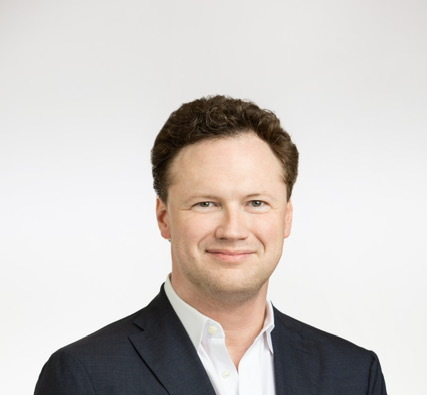
Dr. Nathan Starke spent years watching that frustration from the other side of the exam table. And then he built something different.
Starke Medical Group is a Houston-based concierge medicine practice founded by Dr. Starke, a fellowship-trained urologist and andrologist. Starke Medical offers direct-access, membership-based care focused on sexual health, hormone optimization, general wellness, and peptide therapy. No waiting rooms. No front desks. No intermediaries between the patient and the doctor. In a recent interview, Nathan Starke provided an in-depth description of how he conceptualized his new practice and what he hopes to accomplish.
The Problem Concierge Medicine Was Supposed to Solve (And Usually Doesn't)
Concierge medicine is a healthcare model where patients pay a membership fee—monthly or annually—for direct, ongoing access to their physician. Instead of managing thousands of patients through an insurance-driven system, a concierge doctor keeps a small, deliberate patient panel. That smaller load means longer appointments, same-day availability, and a doctor who actually knows you.
The membership fee covers the relationship and access. Insurance still handles labs, imaging, specialists, and hospital care.
What you're really paying for is the thing the traditional system rarely delivers: a doctor you can reach, who has time for you, and who stays engaged with your health between visits — not just during them.
In practice, Dr. Starke noticed something less encouraging.
"A lot of concierge practices don't really deliver on that promise," Starke said. "They're often traditional offices that converted to a concierge model, added a membership fee, but the experience isn't meaningfully different. Patients still wait weeks for appointments. Calls are handled by staff rather than the doctor. You still can't get the doctor on the phone. Patients end up paying more without feeling a whole lot closer to their doctor, which was sort of the point."
The insight that shaped Starke Medical wasn't just that traditional medicine had problems. It was that the first wave of concierge medicine had often recreated those same problems in a new container.
What He Built Instead
Dr. Starke set out to design a practice that reflects what concierge medicine was actually supposed to be. The result looks different from most medical practices in Houston.
Every Starke Medical patient has Dr. Starke's cell phone number. Not a portal. Not a nurse line. His number. They communicate directly by call or text. Based in the Houston area, Dr. Starke also offers same-day and next-day home visits, office visits, or telemedicine calls.
Telemedicine extends that access to patients anywhere in Texas. Insurance still covers labs, imaging, and referrals. The membership covers something the traditional system rarely provides: a doctor who is genuinely accessible.
"I do house calls — the old throwback version of medicine," Dr. Starke says. "There's no front desk between my patients and their care. I noticed colleagues leaving hospital systems to go concierge and gradually recreating the same system they'd left, because that's all any of us have ever known. I wanted to build something from the ground up that actually reflects what this model is supposed to be—genuinely accessible and truly patient-first."
That design philosophy extends into how the practice operates day to day. When something changes with a patient's labs, they hear from Dr. Starke directly. When a question comes up between appointments, they text him. When a result needs context, he provides it — not a portal message that arrives three to five business days later.
Expanding Beyond Limitations of Institutional Medicine
Years leading the Men's Health Center at Houston Methodist gave Dr. Starke a clear-eyed view of what institutional medicine does well—and where its structural limits kick in.
"It's an outstanding institution, my favorite hospital in Houston, and I'm genuinely proud of what we built there, but no institution, no matter how well-run, escapes the realities of modern healthcare,” he said.
"The biggest problem is volume. When you're expected to see a certain number of patients per day, the fifteen-minute appointment becomes the default. Patients with complex problems, who I was specifically trained to treat, can only get a fraction of the attention they need. Then you add prior authorizations, formulary restrictions, insurance bureaucracy, and the decision-making starts to feel less like medicine and more like navigating a broken system."
That experience sharpened his vision for what a practice could look like if it was built without those constraints from the start. At Starke Medical, the goal is the kind of continuity that large institutions struggle to sustain.
"My patients aren't a chart number. I know them. I follow them. When something changes, they can reach me directly and immediately. That relationship is where real medicine happens."
Who Starke Medical Is Built For
When Dr. Starke was designing the practice, he had a specific patient in mind.
"The picture that kept coming to mind was a man in his late thirties to early fifties. Someone who's built something. A career, a business, a family. Performs at a high level. And somewhere along the way, he's noticed he doesn't quite feel like he used to. Energy not what it was. Body not healing as well. Sleep not as good. And he's frustrated because every doctor has told him he's normal, sent him home."
That patient, Dr. Starke says, values direct access and doesn't want to rearrange his schedule for a fifteen-minute conversation that doesn't go anywhere. "He values his time more than saving a copay and doesn't want to settle when it comes to his outcomes."
And while that profile shaped the practice's original vision, Starke Medical has evolved. Dr. Starke now sees roughly equal numbers of male and female patients. His background in hormone therapy, testosterone optimization, and the treatment of perimenopausal and menopausal issues in women translated naturally into the concierge model. The practice's structure — accessible, unhurried, relationship-based — turns out to work well for anyone who has felt dismissed or overlooked by the traditional system.
What Membership Includes
The concierge model at Starke Medical isn't a luxury upgrade on traditional care. It's a structural change in how care is delivered.
Membership packages give patients direct access to Dr. Starke by call or text. Same-day and next-day house calls are available in Houston. Telemedicine serves patients anywhere in Texas. Insurance still covers labs, imaging, and referrals. The membership fee covers the relationship and access that standard insurance never touches.
The clinical scope spans sexual health, hormone optimization, peptide therapy, and comprehensive wellness for both men and women. Dr. Starke's background as a fellowship-trained andrologist—a specialty focused specifically on men's reproductive health and sexual function, combining urology with hormonal medicine — means patients bringing concerns about testosterone, erectile dysfunction, fertility, Peyronie's disease, or sexual health are seeing someone who trained specifically in those areas, not a generalist writing a referral.
"That level of evaluation is really only possible when you've done the training I've done," Dr. Starke says. "It's honestly the kind of care most patients have never received — and until now, many never knew existed."


Comments